DIY Manufactured House Stabilization: Reaching Balance Without the Tension


In case you're a manufactured home owner, you might have faced the challenging issue of an out-of-level home. Not only can this lead to unsightly gaps and uneven floors, but can also compromise the structural integrity of your property. The good news is that repairing your mobile home need not be a daunting task. With a bit of guidance and some meticulous preparation, you can achieve stability and comfort without the stress that frequently comes with such a project.
In this complete step-by-step guide to leveling your mobile home, we'll walk you through all you need to know. From understanding the signs that indicate your home is out of level to the necessary tools and materials needed for the job, you'll find everything you need to tackle this DIY project confidently. If you're working with a sloped lot or just want to ensure your home is square and stable, we've got you covered. Let's get started on the journey to a properly leveled mobile home and the lasting benefits that come with it.
Understanding Trailer Stabilization
Leveling a mobile home is an important care task that ensures its stability and longevity. Over time, factors such as earth movement, water fluctuations, and even annual weather cycles can lead to an imperfect foundation. This imbalance can manifest in different indicators, including jammed doors, rough flooring, and window cracks. Acknowledging the significance of leveling is key for homeowners to ensure the structural integrity of their manufactured houses.
When a manufactured home is not stable, it can lead to more serious complications over time, including harm to water systems, electronics, and even the skeleton of the home overall. How to level a mobile home can endanger the wellbeing of the occupants and can make the home less energy-efficient. Identifying house leveling that show that your trailer is not level is the initial phase towards tackling the issue effectively and avoiding further deterioration.
Before embarking on the stabilization procedure, it’s essential to have a plan adequately. Homeowners should acquaint themselves with the equipment and supplies needed for the job, as well as the most effective techniques for safely supporting the home. By spending effort to grasp the leveling method, homeowners can not only boost their quality of life but also safeguard their asset for years to arrive.
Step-by-Step Leveling Process
Initially raising your mobile home, first ensure that your site is ready for the task. Remove any rubble and vegetation around the foundation and take measurements using a spirit level. If your home is situated on a slope, identify high and low points, as this will inform your adjustment efforts. Make sure to collect all necessary tools and materials before starting, as being prepared will streamline the process.
Once you know where adjustments are needed, it's the moment to jack up the home safely. Begin by positioning jacks at both the front and rear of the home to elevate it slightly above its current position. Carefully check each corner with a level tool to discover adjustments needed for achieving a flat surface. Insert blocks or shims under the home in the areas that require support. Using a water level can help ensure that your adjustments are precise, which is essential for a stable result.
After making the necessary adjustments, complete the leveling process by securely fastening the frame to maintain stability. Double-check the level of the home at various points to ensure that everything is aligned correctly. Ultimately, it is crucial to take time to clean up the work area and check for any potential signs of future issues that could arise from soil conditions or freeze-thaw cycles, ensuring the long-term health of your mobile home.
Upkeep and Sustained Factors
Once you have effectively leveled your mobile home, maintaining that level is critical for the longevity and stability of your residence. Regular inspections—preferably every six months—will help you identify any early signs of settling or shifting. Keep an eye out for doors that start to stick, windows that crack, or floors that feel uneven. These can be signals that your home may require adjustments, and addressing these issues promptly can prevent larger problems down the line.
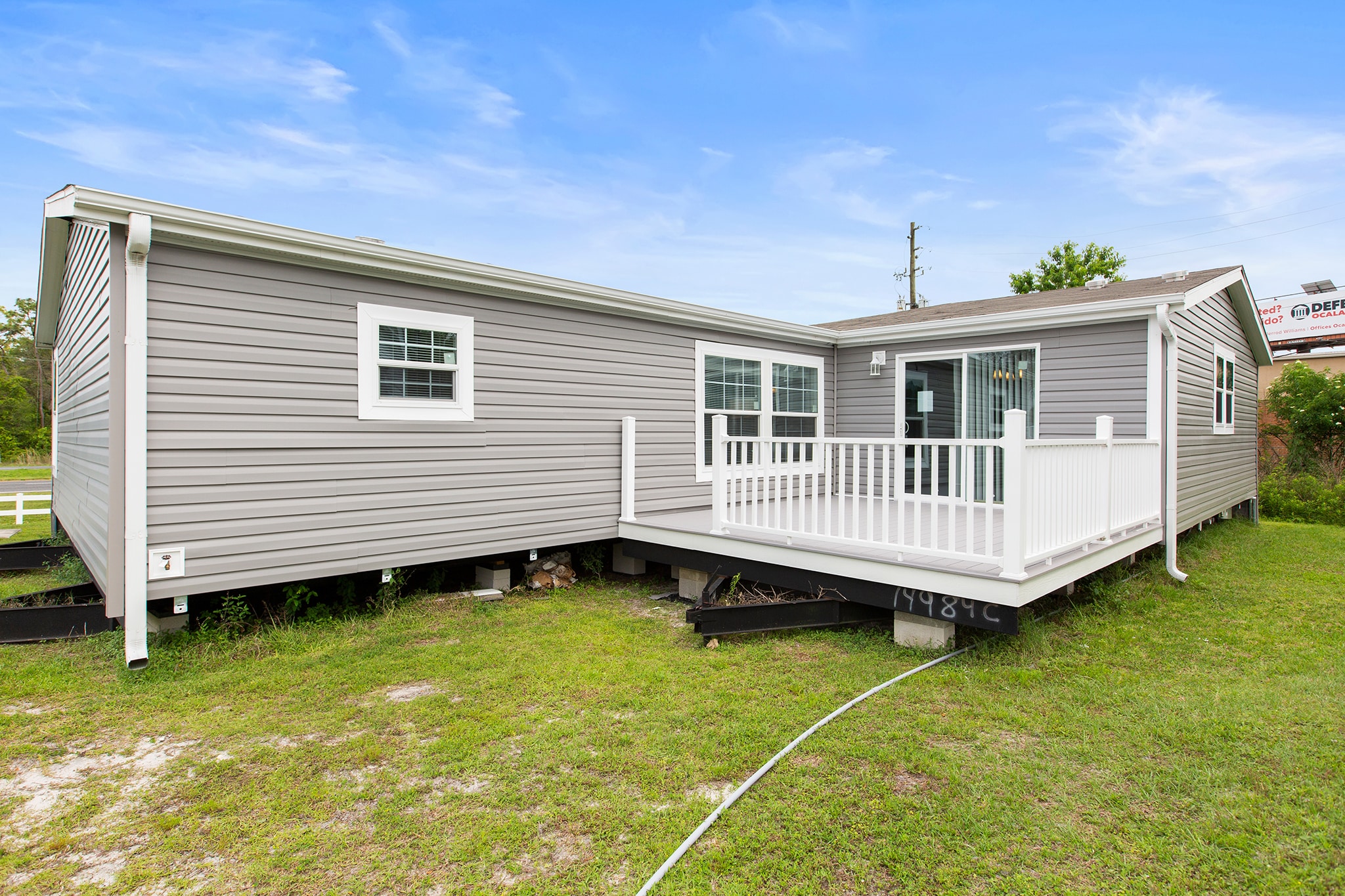
The ground conditions surrounding your mobile home play a significant role in its level. Changes in water levels due to weather, especially temperature fluctuations, can impact the stability of the ground beneath your home. It is important to monitor these changes and make necessary adjustments as needed. Adding soil to low spots or improving drainage around the home can help mitigate issues caused by the environment.
In addition to periodic inspections and adjustments, establishing a maintenance schedule can aid in prolonging the life of your leveling work. Regularly inspect the base, piers, and jacks, ensuring they remain stable and secure. By staying proactive about maintenance, you not only ensure a stable living environment but also protect your investment, preventing costly repairs and enhancing the worth of your mobile home.
Lonestar Mobile Home Leveling & Skirting
276 County Rd 1700
Clifton, TX 76634
(254)266-5369